Friend or foe? Every local enterprise has to pick one. Why? Because AI is forcing brands to show what they really think of their customers in an unprecedented reveal.
Does your company respect its customers and want to help them thrive, or does it disdain fellow human beings and not care that treating them poorly is bad for their health and well-being?
I get to talk to you about this in a real way today, thanks to Lastmile. A lot of the marketing advice you’re reading this week is the result of what’s being called “AI workslop.” Publishers are now using AI to generate outlines or articles that human staff are then being tasked with trying to interpret or fact-check, meaning that, as a reader, you’re several steps removed from the authenticity of a professional calling it like they really see it. Thankfully, Lastmile isn’t a fan of this burdensome publishing process, and so what you’re about to read here is genuinely me telling you what I actually think as someone who's been advising local businesses for 20+ years.
I’d love it if you’d have real conversations with real people at your brand about this choice facing your enterprise.
Feeling the difference between brand friends and foes
Bring your gut to this tale of two brands. React emotionally along with two different consumers’ responses to two different ways of doing business.
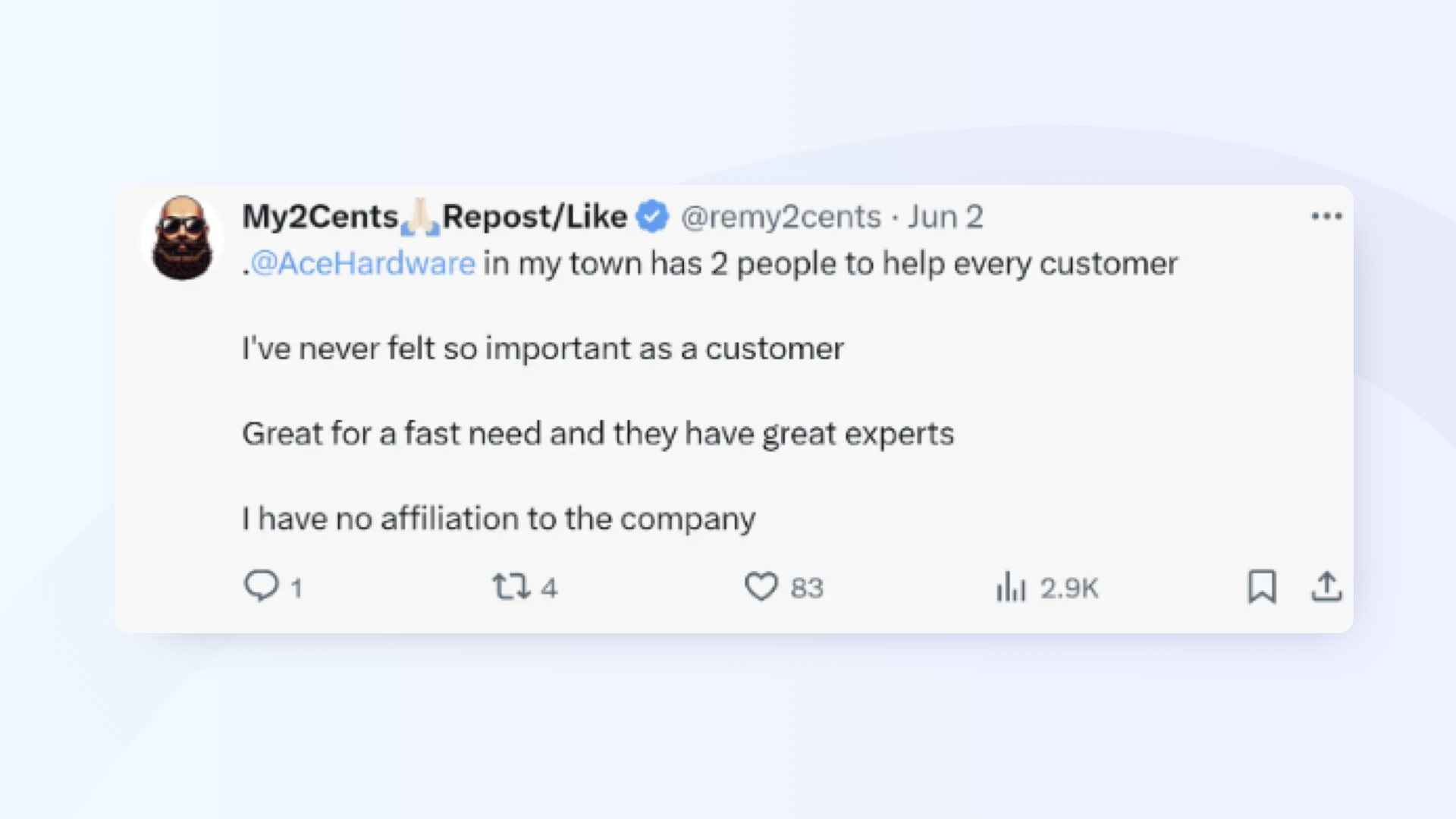
#1 - Here’s just one of thousands of examples of how the Ace Hardware franchise’s patrons feel about the brand from that time the company went viral for the excellence of its customer service:
#2 - And here’s just one of the least-explicative-filled reactions to that time the CEO of AI brand Artisan decided to do a Reddit AMA after conducting a rage-bait campaign telling businesses to stop hiring humans:
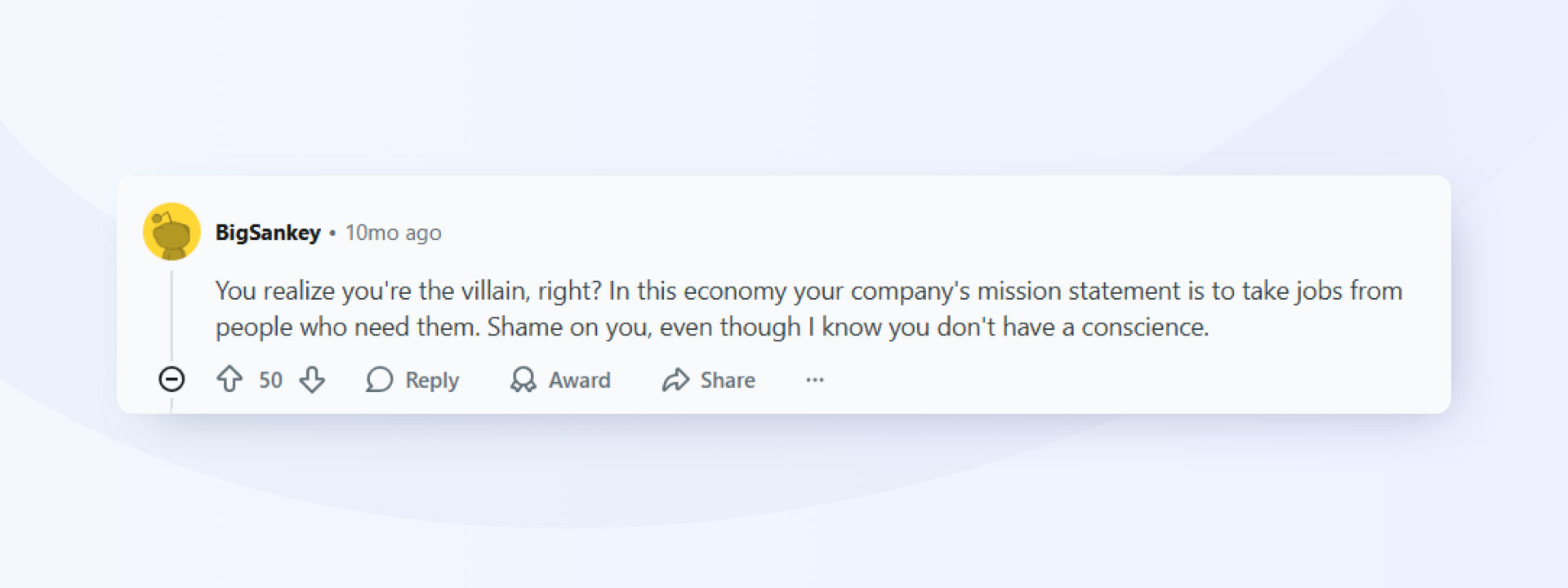
Example #1 shows us a customer who’s been made to feel important and is loyal enough to the brand to volunteer warm, positive sentiment. Example #2, by contrast, shows a consumer who has been made to feel disrespected by a brand and is disgusted enough to voluntarily call its CEO a “villain”.
The Harvard Business Review calls connecting with customer emotions a “new science” with a massive impact on profitability, but it’s honestly a tactic as old as commerce to speak to feelings. It’s also quite an old trope that any publicity is good publicity, and Artisan’s campaign earned it lots of buzz and funding, but it also made its CEO scared to go home due to death threats.
It turns out that offending people may not be a good way to earn goodwill, and now let’s consider why your brand should think twice before rolling out tech, customer service standards, and advertising campaigns that distress people.
Wishing ill-health on the people you want to serve
Most brands would agree that earning lifetime customers is the gold standard. You want people who come back to you again and again for years to come, ensuring your brand’s longevity. This is especially important in the local business setting, in which each location of your enterprise has a geographically-limited community it can serve. It’s also well-known that it's far more cost-effective to keep existing customers happy than to have to replace them with new ones.
But what are you doing if your marketing tactics and the customer experiences you are providing cause stress? A term like “rage-bait” may sound like the newest glib, hip thing, but Columbia University explains that anger increases the risk of humans having heart attacks and strokes, and the Yale School of Medicine urges people to try to mitigate the potentially-fatal risks of anger with practices like fitness, breath work, meditation, and getting adequate sleep.
In response to enraged backlash to Artisan’s “stop hiring humans” campaign, its CEO, Jaspar Carmichael-Jack (who has since left the company) explained to a very angry Reddit audience:
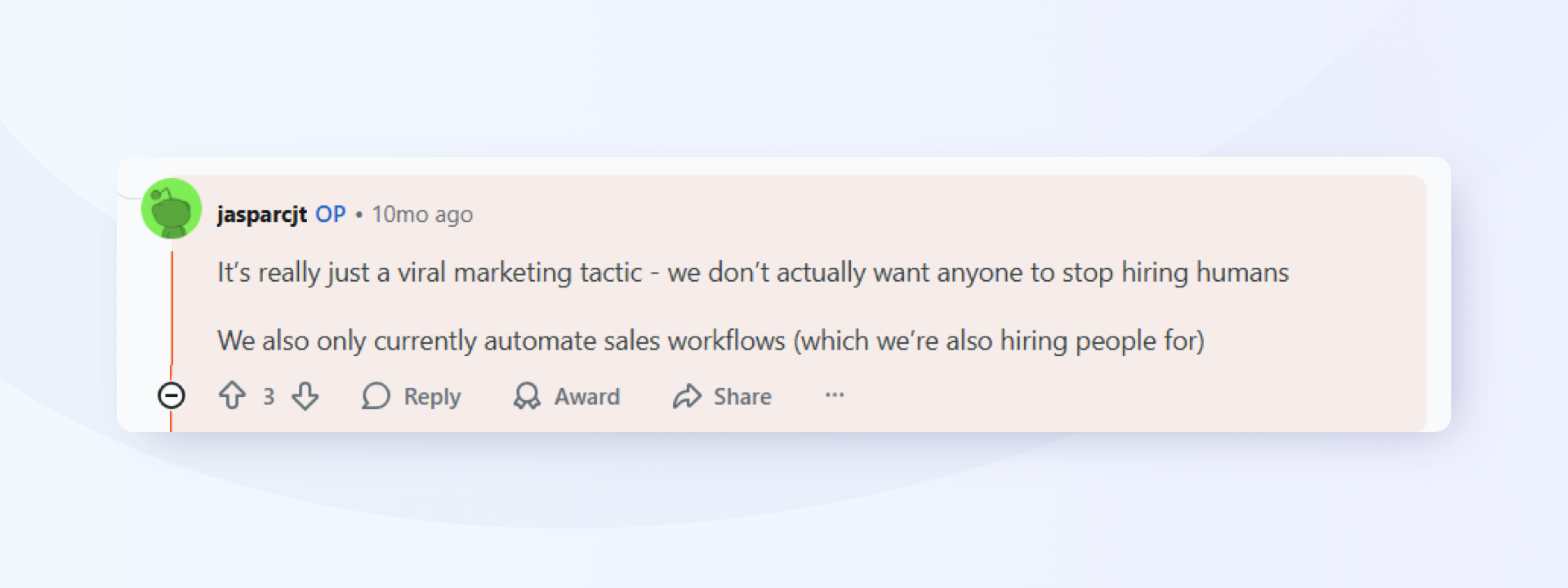
In other words, Artisan leadership intended to evoke rage in fellow human beings, regardless of the documented link between anger and fatalities. This is a dynamic our society may have become hardened to due to much of social media functioning on the basis of inducing rage to earn clicks, but unless a brand wants sick or deceased customers, burdening the public with stress is not a well-considered approach to winning lifetime patrons.
What angers customers?
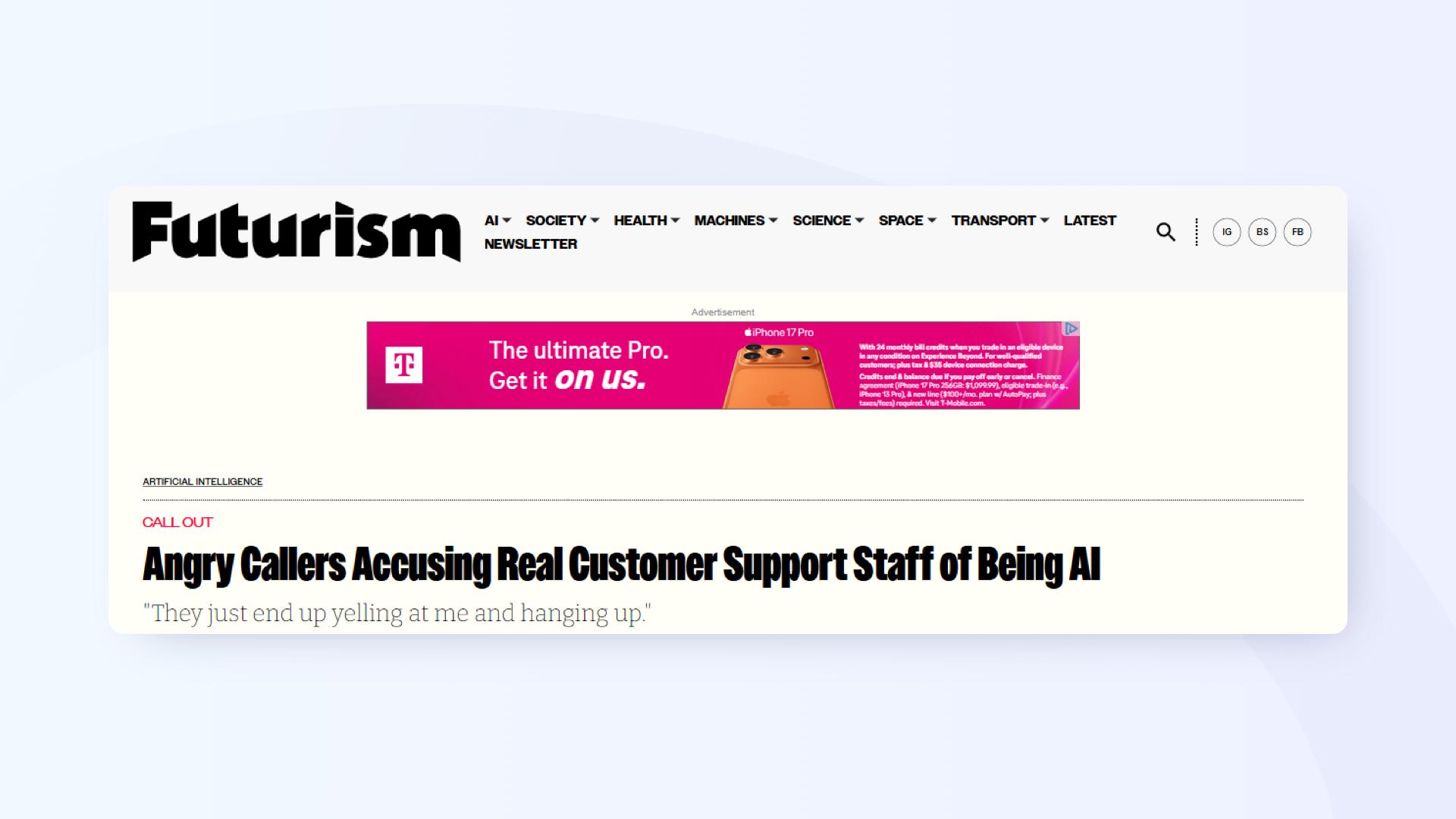
The decision to offload customer service onto AI is not going well. A recent Futurism article documents that the public has become so suspicious that they are being handled by AI instead of cared for by fellow humans that they are now reacting with rage when they wrongly think that actual people are bots. This has put call center workers in the bizarre position of having to think of some way to signify their human status. From the article:
Sometimes, Lindsey tries to show she’s not an AI by coughing or giggling. “I even ask them, ‘Is there anything you want me to say to prove that I’m a real human?'”...“They just end up yelling at me and hanging up,” she said, sometimes leaving her in tears. “Like, I can’t believe I just got cut down at 9:30 in the morning because they had to deal with the AI before they got to me.”...
And to be fair, a lot of the time customers are speaking to an AI or a pre-recorded message before they’re handed over to a human rep. This saves the companies money, but at the cost of the humans on both ends of the phone: the customer is left frustrated, and the call center agent is dumped with the unenviable task of conciliating their rage induced by a thousand bots.
(Emphasis on the word “rage”, mine.)
And when it comes to the AI chatbots that are on most local enterprise websites, Stryde’s article on AI-driven customer service killing conversions sums up the problem:
Let’s be real—no one wants to chat with a bot. If a customer is reaching out, they are more than likely to have a problem. When they’re met with robotic, canned responses, frustration skyrockets. Customers want to speak to a person that can understand what’s being said and can help them quickly. So, instead of feeling heard, they feel ignored, and for many shoppers, that’s enough to make them abandon their purchase entirely. In fact, research shows that skeptical consumers immediately think less of a brand if it relies on a chatbot for customer service.
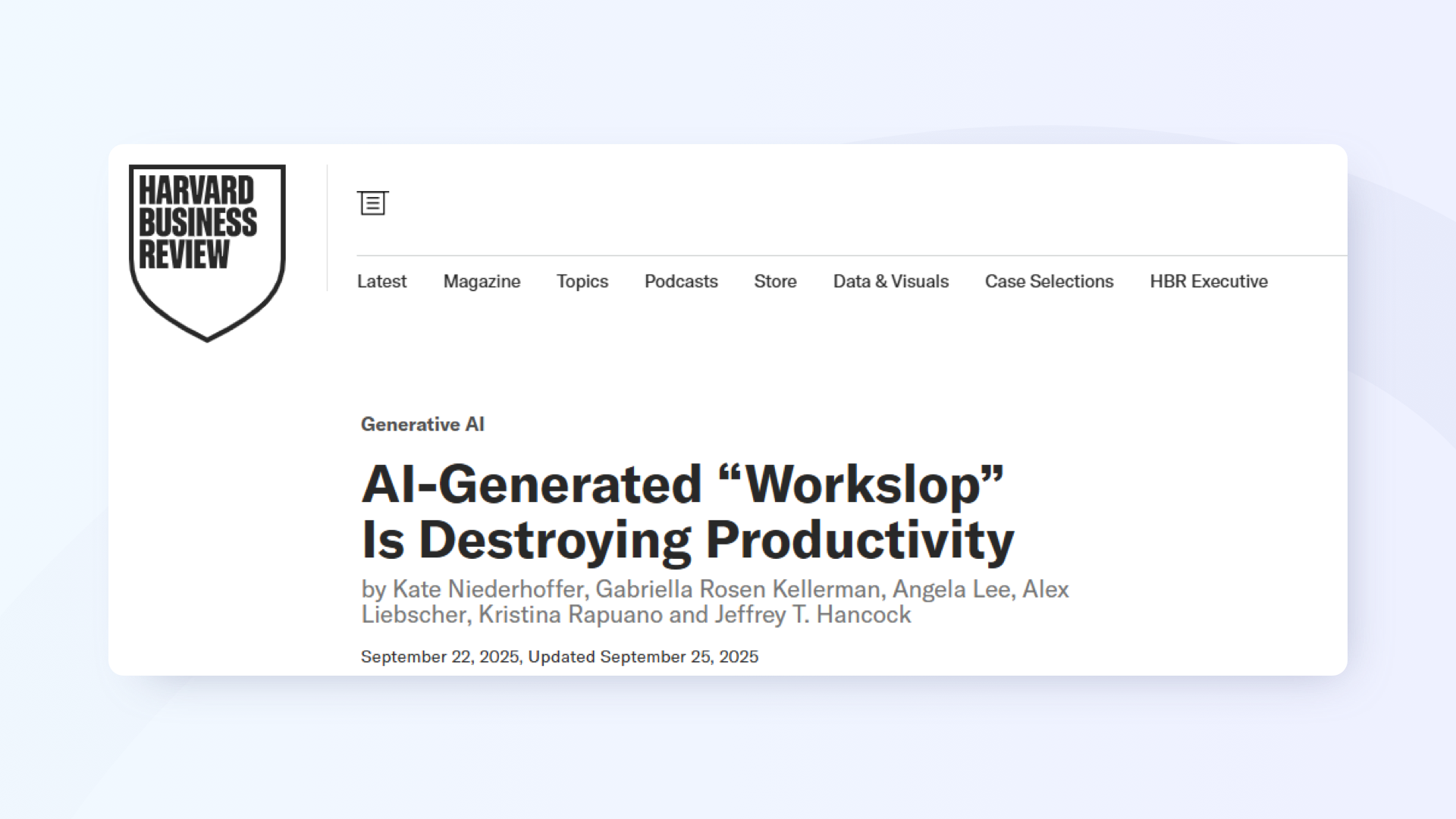
In addition to having happy lifetime customers, your brand needs to retain staff. How long can this last if their work in customer service is resulting in tears at 9:30 in the morning every day because the customer base is enraged and abusive due to its abhorrence of AI-driven “experiences”? When you add to this the research being conducted by entities like the Harvard Business Review showing how AI-generated “workslop” is destroying productivity, red flags should be flying over putting both your consumer base and workforce at risk for the sake of hype.
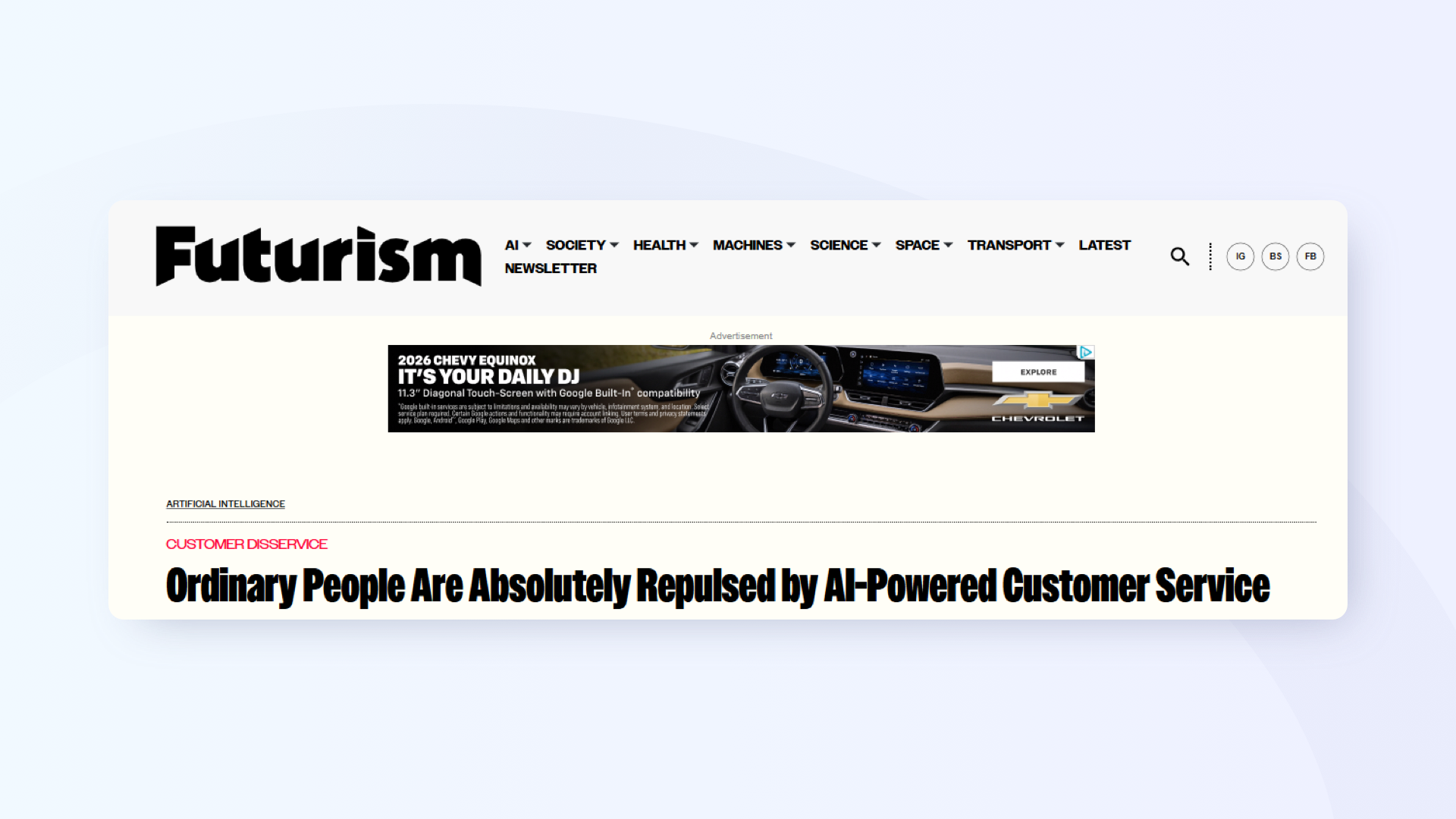
If Futurism is right that “ordinary people are absolutely repulsed by AI-powered customer service” (and your customers are ordinary people), then it’s absolutely vital for your brand’s leadership to be able to separate AI hype from reality.
The hype isn’t going very well, either
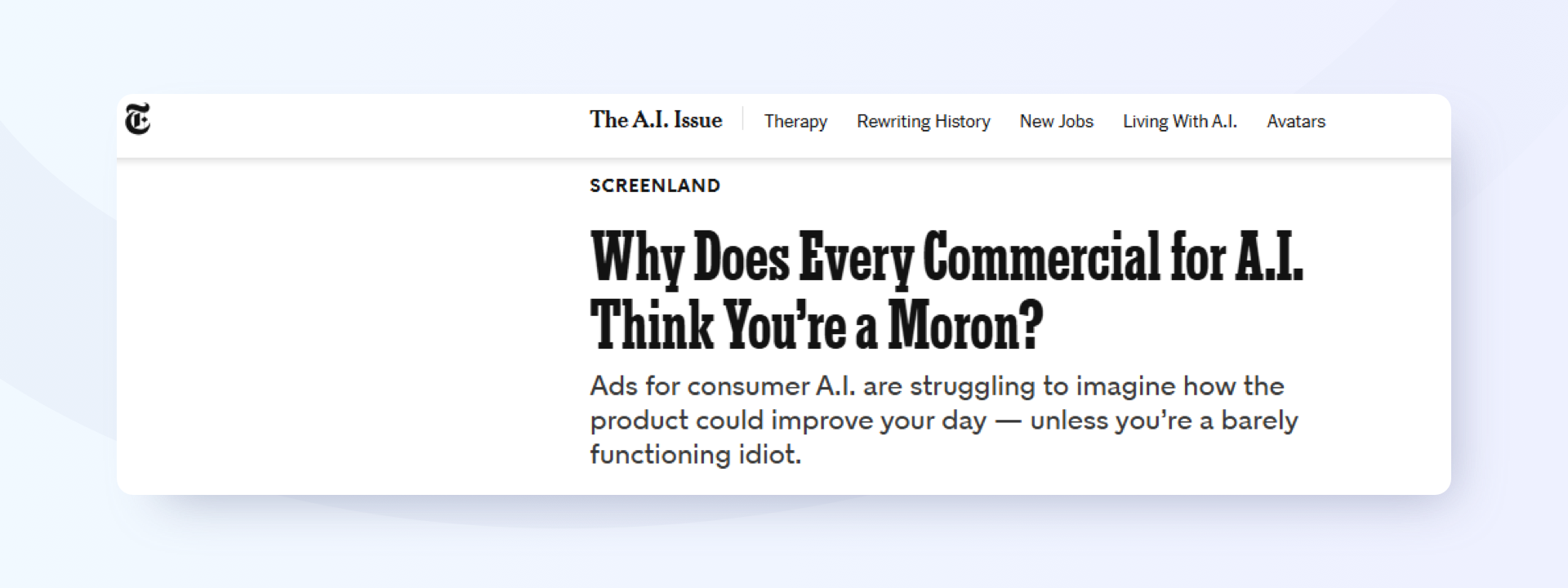
A recent NY Times article does a pretty good round-up of AI brand commercials that reveal how these companies think about fellow human beings:
This is how Silicon Valley has tried to sell artificial intelligence to consumers, at least on television. In commercial after commercial, humans are oblivious, enfeebled, barely functioning idiots beset by more tasks, stimuli and demands on their time than anyone could reasonably handle.
You’ve seen the ads, portraying people as not knowing how to do laundry, cook, care for their family, advise their children, relate to others, or think. These ads hinge on the helplessness of the general public in a way that has caused serious offense. The Guardian asks if AI creep is ushering in a golden age of stupidity, but the rejection of AI stakeholders’ social engineering experiment can be seen in dozens of YouTube videos like “Google Gemini is for adult babies”, mocking these commercials and quipping that “it's hard to promote a service where the whole point is to look stupid.”
Is there a real use case for AI in the local business setting?
So, it turns out harming your customers’ health by causing them to feel dangerous rage is not a sustainable marketing idea. And it looks like it will be hard to retain staff who are being abused by customers who are furious over being disrespected by brands that are offloading support onto bots. And - surprise - it seems like suggesting that your potential customers are stupid is not a good approach to winning brand love and loyalty from fellow human beings.
There’s been quite a bit of pushback to MIT’s report that 95% of generative AI pilots at companies are failing, but I am not going to even suggest that we talk numbers here. Instead, my advice is to talk to your customers and staff and find out how you can help them.
If they ask you for AI, then maybe you’ve got a real use case based on fulfilling demand, that classic principle of the marketplace.
But if they don’t ask you for AI, and are, in fact, telling you that they loathe it, shouldn’t you think twice before buying into a marketing pitch from the latest shiny startup?
What I respect are founders who have put in the work to find out what people need and how to deliver it. What I choose as a consumer are companies that treat me well. This is not magic. It’s common sense, and it's something everyone in business has understood for centuries.
We only enter a “golden age of stupidity” if we forget this cornerstone of serving the public. There may be a use case for AI in some aspect of your enterprise’s operations, but it’s probably not in customer service.
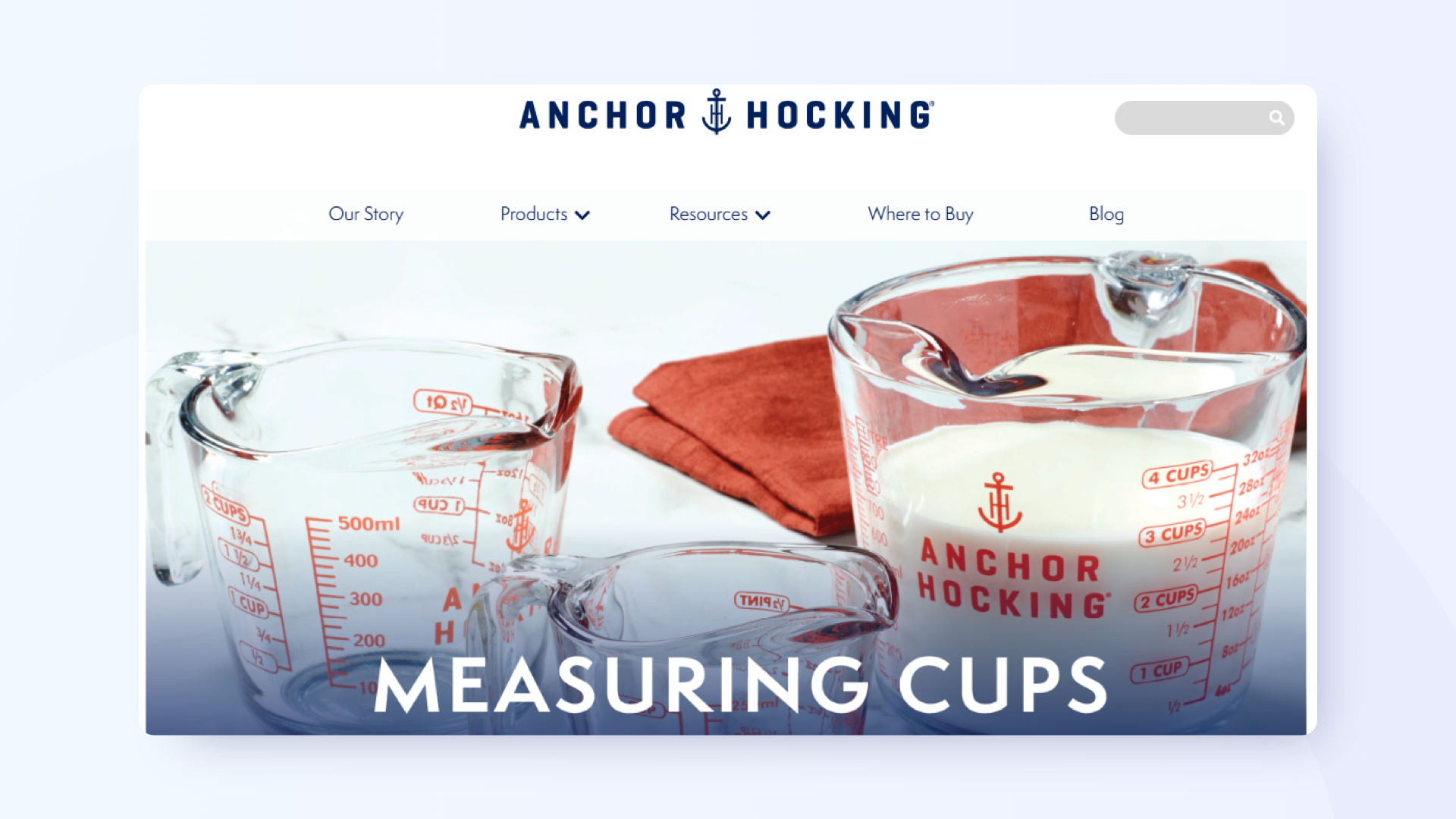
Like every other product that’s ever been invented, the AI use case must be proven, and the ads show us that its creators can’t really think of one. Some use cases are fads, like the hula hoop, delivering a brief burst of capital. Others are long trends, like Anchor Hocking measuring cups; go look in your kitchen cabinet, because you’ve probably got one of these, and because the company has been in business since 1905, your great-grandmother likely had one of these red-labeled vessels, too.
The next time you’re getting pitched by an AI brand, ask yourself whether there’s a real use case. It could be a hula hoop. It could be a measuring cup. Or, it could be nothing but well-funded hype. If the result of buying in distances your customers from your staff or your staff from cultivating expertise on behalf of your brand, it’s completely fine to say “no”.
Request a Demo
Drive more local sales by pairing shoppers with real-time inventory and promotions through seamless online-to-offline capabilities that help clients transact now.