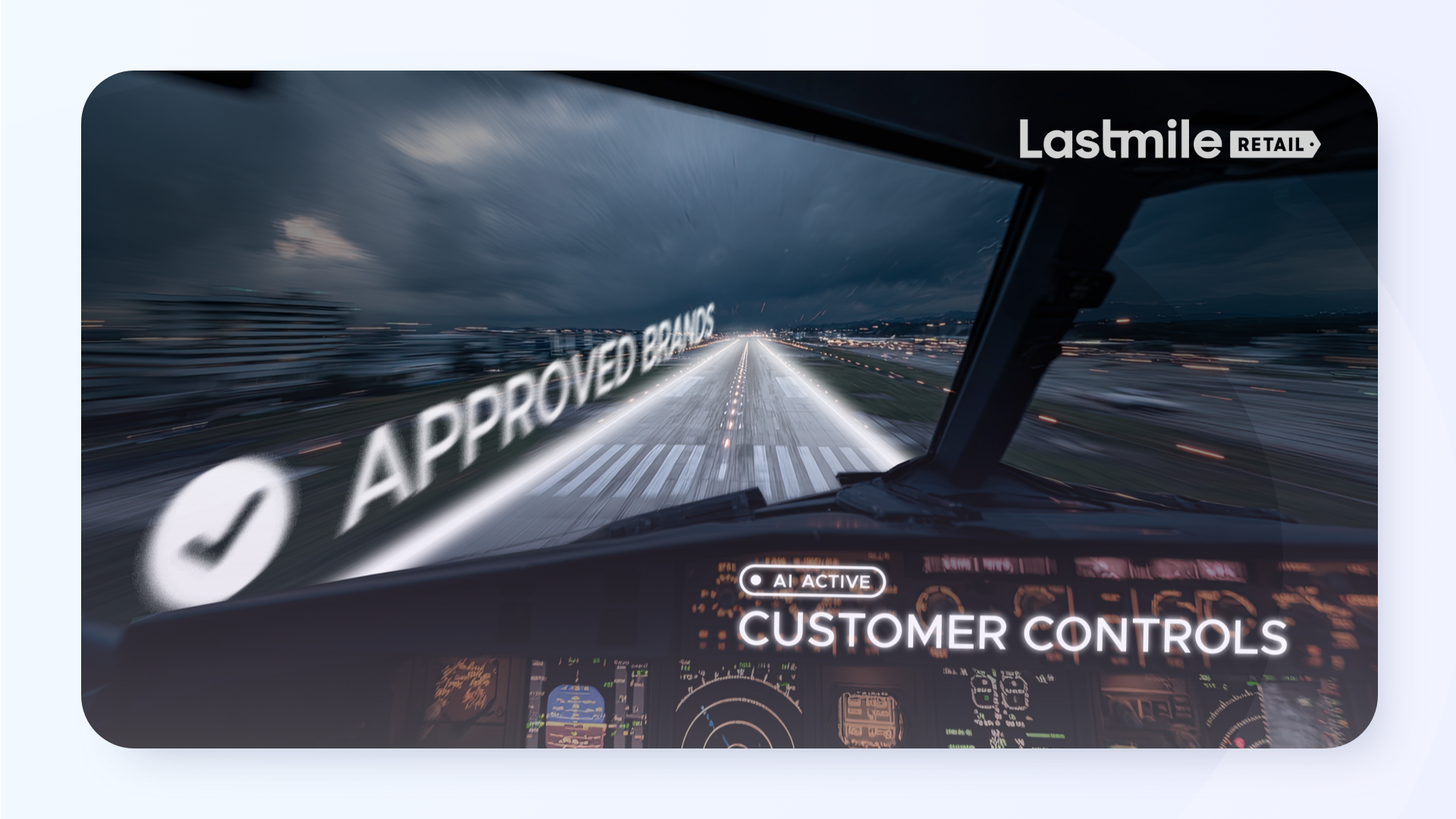
This is the Yelp profile of a Walmart in Los Angeles that had sunk to a 1.6 star overall rating before the location closed:
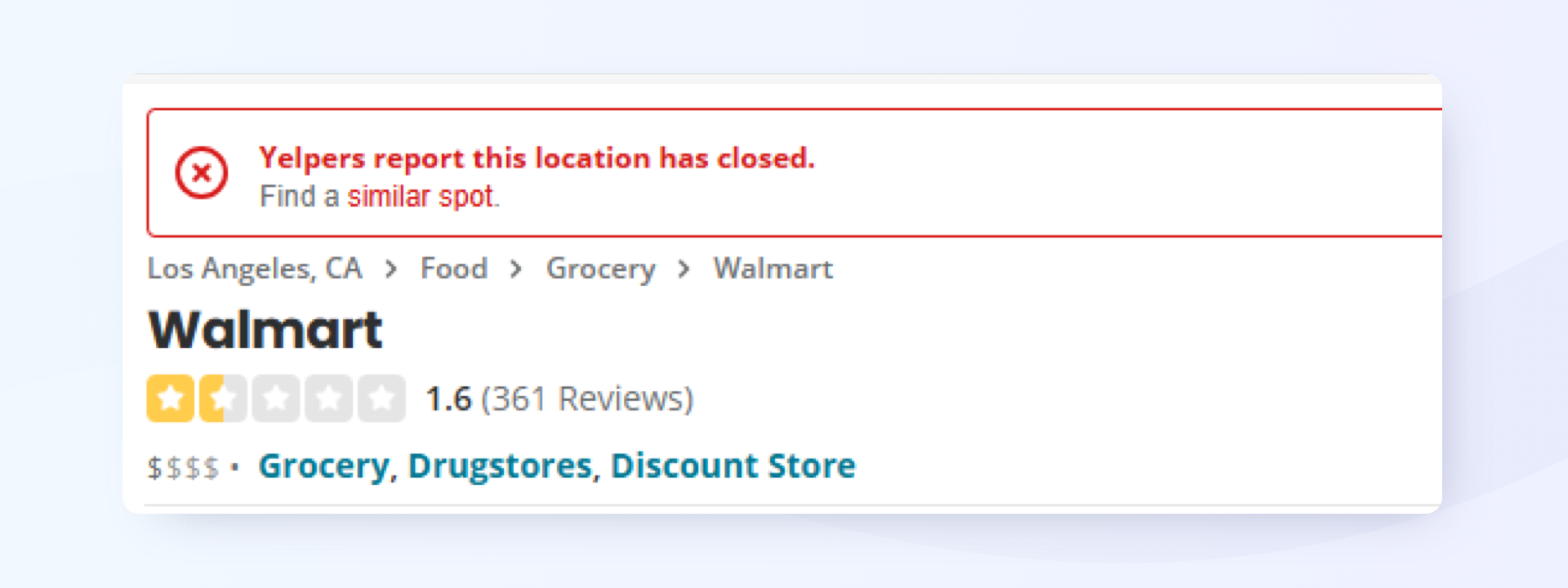
This is a Walmart in Placerville, California with an average Google star rating that is slipping dangerously close to the 3-star threshold:
Consumer behavioral research I have led over the past decade indicates that only a very small percentage of the public will choose a nearby business for a transaction once its rating falls below 3 stars. The lower the average star rating, the more likely it is that the location may face closure, representing a significant loss to the enterprise.
This is a very expensive TV commercial tying Walmart to a Hollywood film, indicating that this is what the brand thinks its customers want:
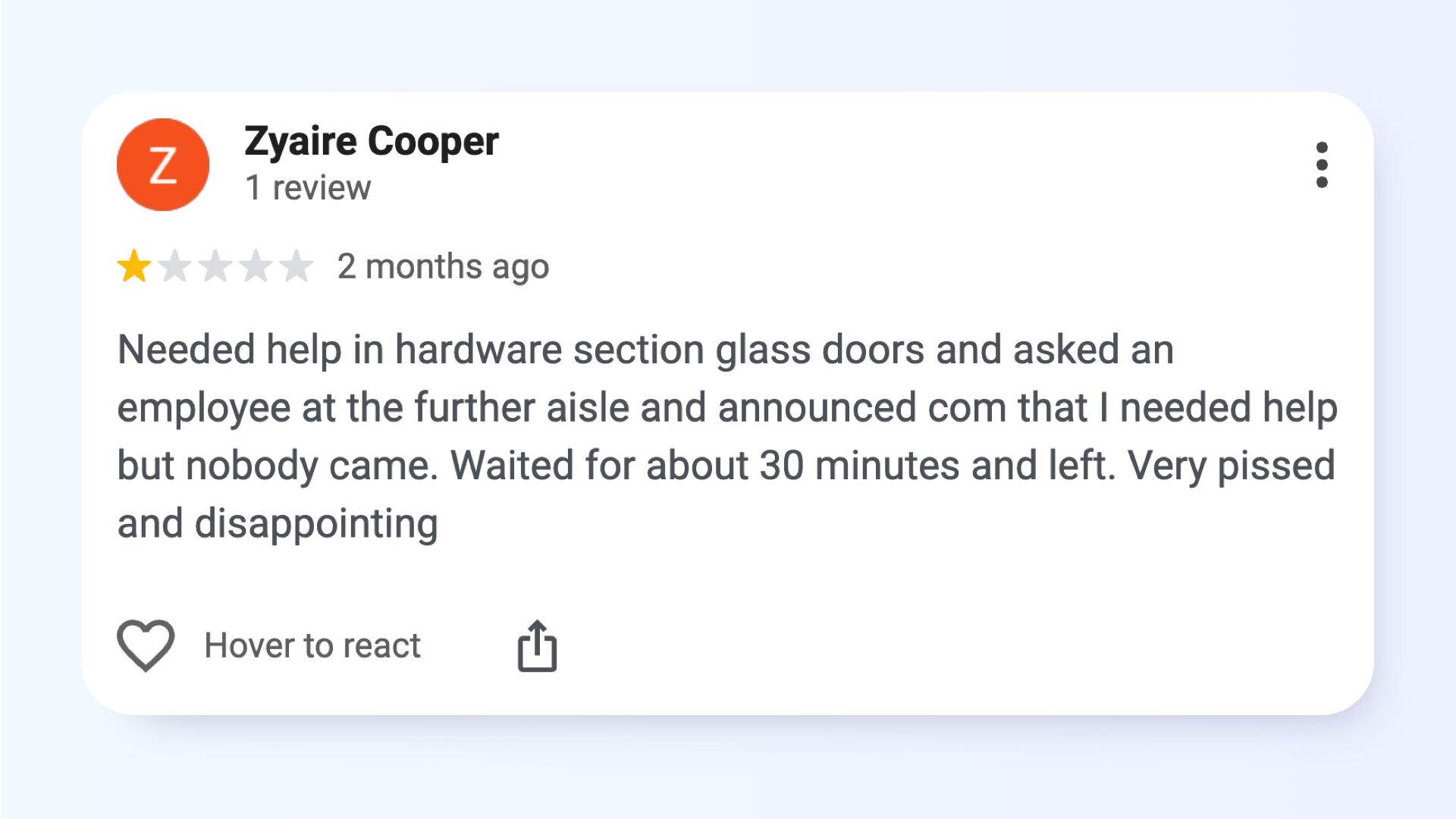
This is the type of negative review that demonstrates how the brand’s customers are not getting what they actually want, which is attentive and skilled customer service offered by an appropriate level of staffing at locations.
And finally, this is a Google AI Mode explanation of Walmart’s reputation for poor customer service, which states:
“Walmart’s reputably poor customer service is primarily an intentional byproduct of its cost-leadership business model, structural understaffing, and aggressive task automation.”
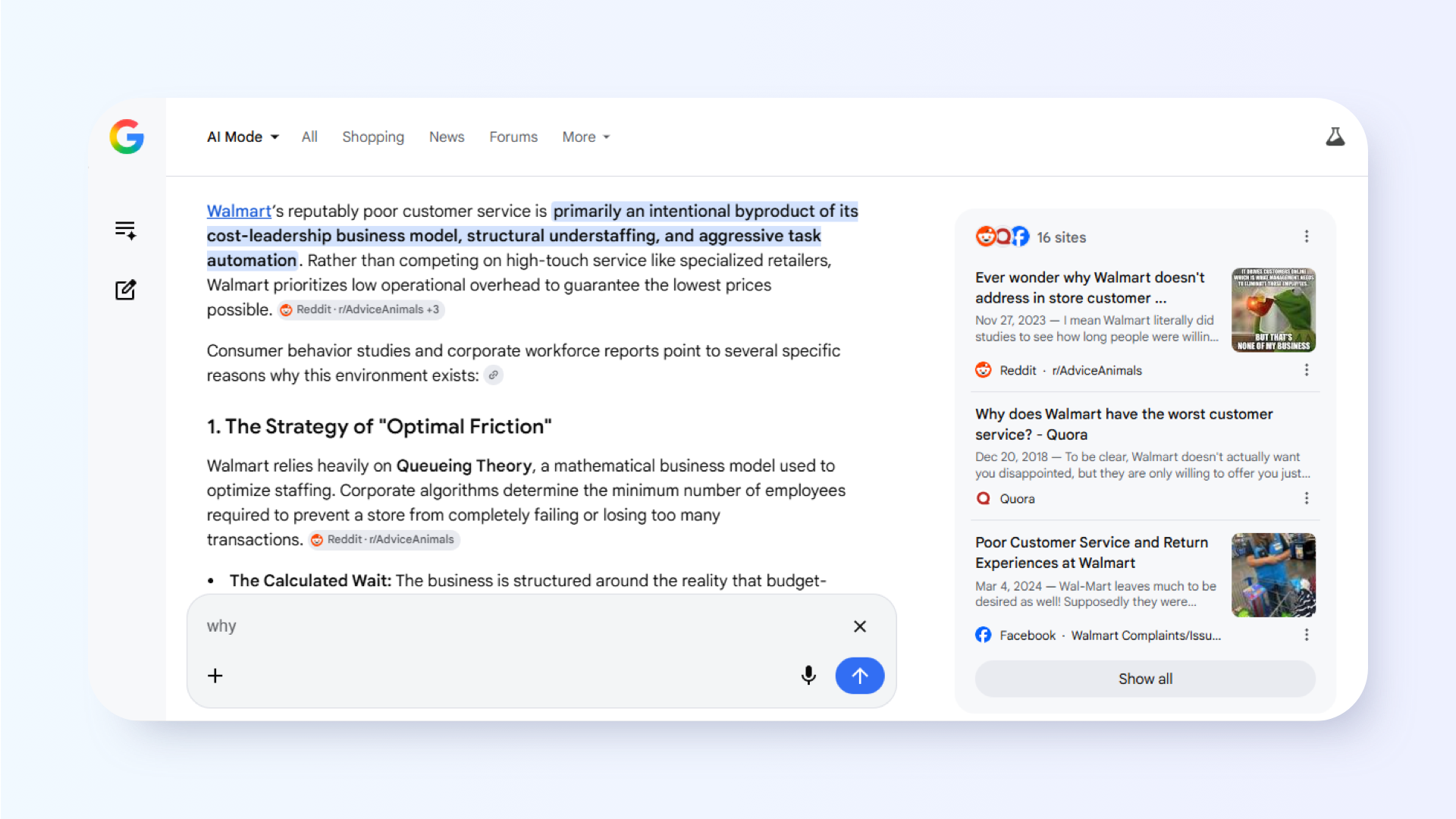
AI Mode states that Walmart’s poor consumer experiences are intentional.
Note the citations from which AI Mode is pulling this information, including Reddit threads like this one, demanding to know why Walmart doesn’t address its customer service failures.
Until now, major enterprises have been able to stay profitable, despite providing a poor quality of customer service for a variety of reasons, such as having lower prices or a categorical monopoly for certain goods and services within a geographic region.
The future may look different, and this is something your enterprise needs to be planning for now. In today’s column, I want to follow up on Ugly Marketing is the New Beautiful in the AI Era by helping your team to start thinking about why your customer will increasingly be in charge of your marketing in an AI/PI/agentic potential future.
What your customer is in charge of right now
In the past, brands have striven to create a public image based on visual branding, jingles, slogans, paid PR, SEO, brand-controlled content, TV and radio advertising, and other forms of ad spend. Pre-internet, the brand was in the driver’s seat with the only thing standing in the way of their self-created image being a bad reputation via local word-of-mouth at a geographically delimited scale, or a major scandal that made wider news headlines.
The internet delivered more control to consumers because their sentiment in the form of reviews and social postings made public opinion publicly available to their whole city, as well as nationally and globally. Customers were beginning to co-pilot brand reputation.
While statistics vary on the actual adoption of conversational AI tools like Google AI Mode and ChatGPT into the daily lives of local consumers, what is emerging is a new kind of cockpit with the customer sitting firmly in the pilot’s seat. A customer who has had a bad past experience at a Walmart location can prompt AI like this to find local alternatives that exclude places they don’t want to continue patronizing:
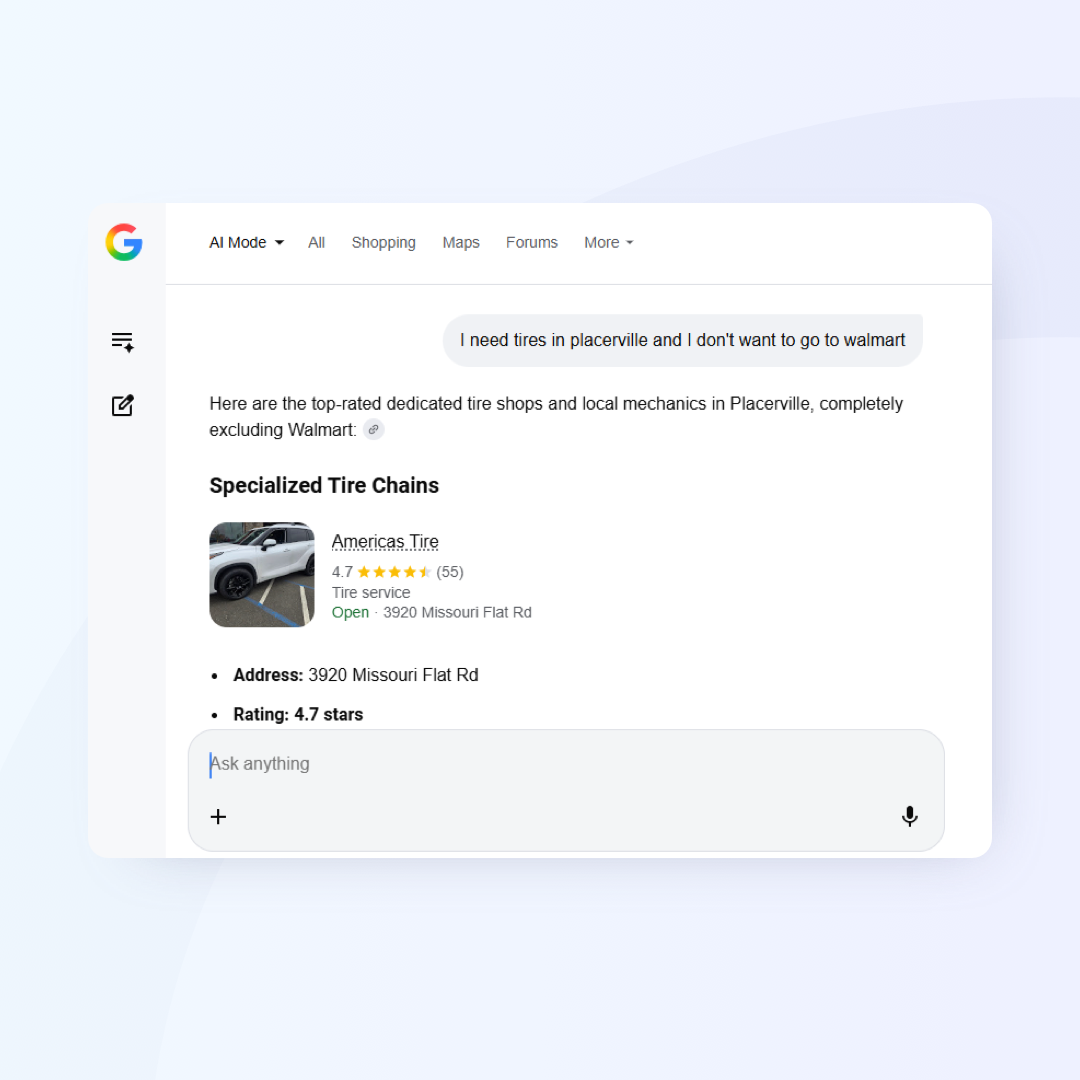
Unlike traditional search, Google AI Mode retains the context of the conversation so that the customer can narrow down their options to help them find an alternative to a brand that has treated them poorly in the past:
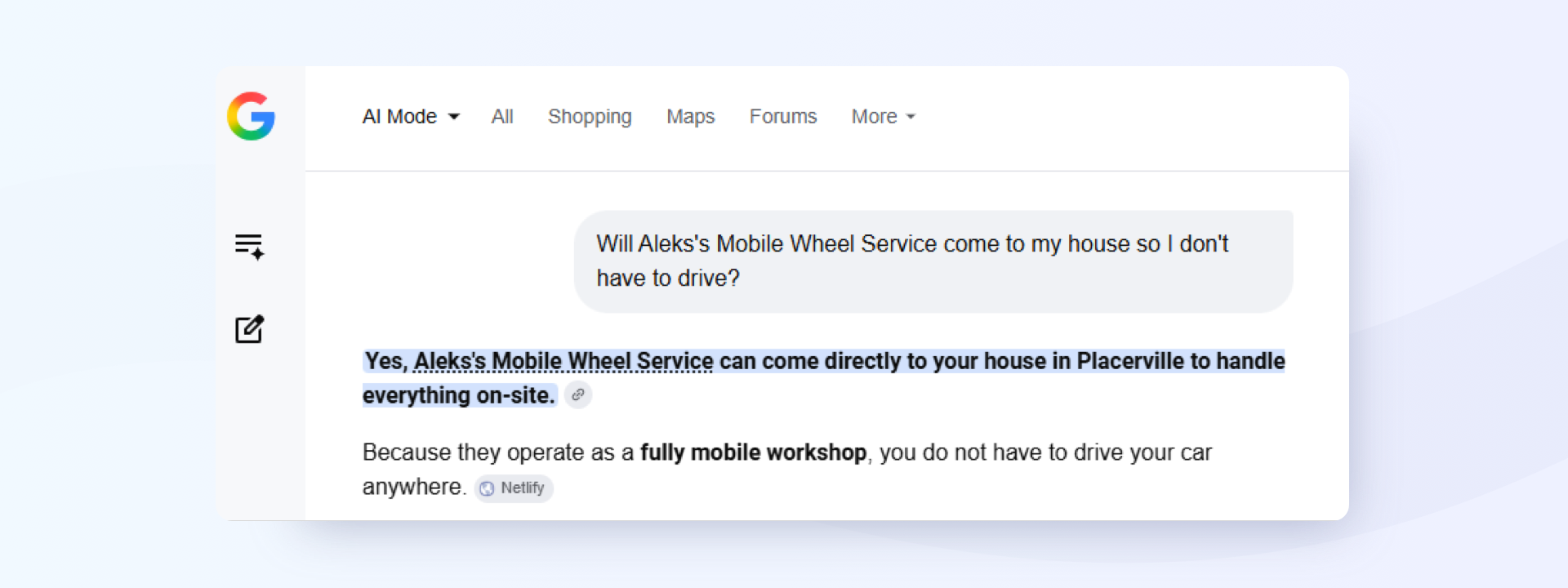
Even though this small business is further away from the customer than the Walmart location, inconvenience can be overcome by mobile fulfillment. The customer can look at the ratings of the business, see social media discussions about its service quality, see its hours of operation, etc., all in the midst of a running conversation.
All that remains is to book an appointment. And that’s where agents come in. The customer can increasingly use agentic features to call this business or a variety of its competitors for price and stock checks, to set up an appointment, and even to pay for the transaction.
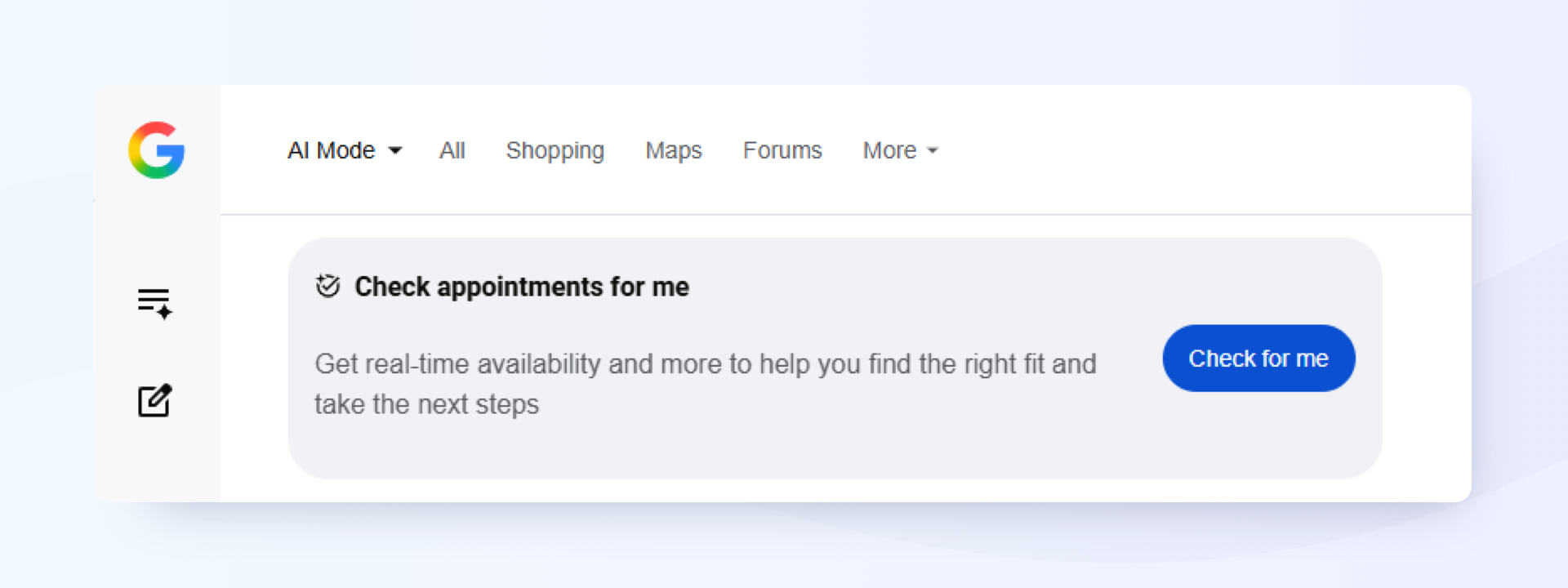
It’s important to note that we’re still in the early days of agentic AI, but it's the future that Google wants to see happen.
Your takeaway here is that the days of large enterprises being able to safely ignore lackluster customer service standards may be numbered. Negative reviews like the one shown above are consistently ignored by brands like Walmart, receiving no owner response and no structural amendment to the business model. Smaller, more motivated brands with creative fulfillment strategies can beat out larger competitors when they offer better customer experiences. Conversational AI is broadening consumer power and choice.
And we may be heading towards a whole new horizon in regards to customer control.
What your customers may be in charge of in the near future
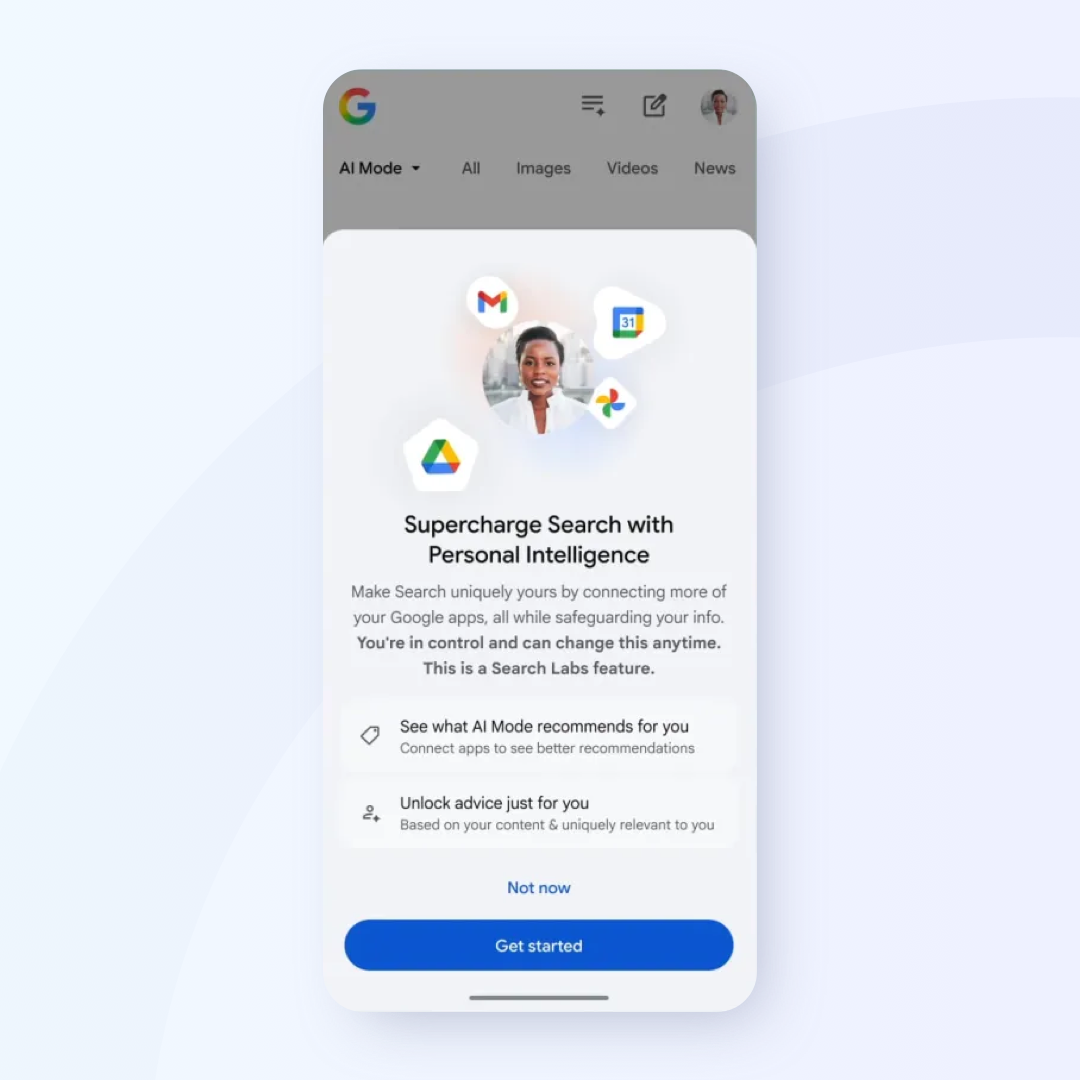
Your customers are now being heavily pitched to opt into Google’s Personal Intelligence. If your enterprise lacks institutional knowledge about this emergent technology, I highly recommend watching both Part 1 and Part 2 of this video series by my friends at NearMedia interviewing Garrett Sussman on how PI works and how significantly it could disrupt long-standing consumer behavioral patterns. In sum:
- Users who opt in are permitting Google to track their behavior across a vast array of touch points.
- This goes far beyond the location tracking Google has been doing for years; it allows Google to read a customer’s emails and even see their direct physical mail to tap into their communications with other people for the purpose of making recommendations, to see their transactions, and other types of deep surveillance. It can take multiple factors into account, such as the user’s income and gender, as well as their past driving habits and transactions.
- On the basis of what PI knows about your customers, it then makes personalized recommendations for things like nearby purchasing options or appointment bookings.
While considering PI, your enterprise also needs to think about the fact that Amazon’s Alexa+ voice assistant can now retain the context of questions and preferences across multiple days. This memory could expand to retain months or even years of a consumer’s experiences.
Your takeaway here is that a customer who was treated poorly by your brand once in the past may have written an email about that to you or to your friends. They may have written a negative review about it. They may have talked to Alexa about it. Whereas in the past, time might elapse and dull human memories of former bad experiences, entities like Google’s PI and voice assistants can remember these incidents and use them to steer the user away from your brand and towards a more motivated competitor who is prioritizing excellent consumer experiences.
The potential end result of these technologies is that every customer will end up in their own personalized swim lane with their future transactions being based on a heavily-customized record of their past experiences. It’s a customer-owned driver’s seat your brand can only influence by delivering on promised good service or by paying into whatever sponsorship opportunities arise over time.
How local enterprise marketing looks when the customer is in charge
Now is a good time to do a health check on whether your brand is building the right way to come out a winner if there is a high adoption rate of these nascent technologies. How many of these boxes can your enterprise currently check off?
Hallmarks of a consumer-centric local enterprise
- We stand behind customer satisfaction guarantees that offer consumers what they consider to be fair treatment.
- Our premises are adequately staffed to prevent consumer inconvenience and complaints.
- All incoming staff receive detailed training in upholding our customer service standards and ongoing training in complaint resolution and escalation.
- We are actively monitoring our reviews across all relevant platforms and responding to all consumer sentiment in a timely, effective manner, with particular attention paid to resolving negative reviews by offering to make things right for the customer and retain them.
- We are continuously exploring all potential points of contact with consumers to provide helpful education and outreach about what our business is and does; this includes website content, local business listing content, social media content, review content, email content, SMS-based content, direct mail content, third party online platform content, store signage, billboard and company vehicle signage, local radio and television content, and other forms of accessible offline local content such as newspapers, advertising, place of worship bulletins, etc.
- Our staff have been trained to document customer FAQs to form the basis of the content that appears on our website and other digital assets, with the core goal of answering everything our customers need to know to choose our business and to take the actions they most want to take; all of our content is based on the way our customers speak instead of on corporate lingo.
- We have active loyalty and referral programs that are attractive to current customers and assist retention rates and new customer acquisitions.
- We are continuously seeking out opportunities for community involvement surrounding each of our branches of franchise locations, earning goodwill and a variety of online mentions for our local activities.
- We are adhering strictly to digital platform guidelines, such as the policies of local business listing and review sites, as well as to consumer fairness and truth-in-advertising laws to avoid public scandals and litigation.
- We are committing to reducing consumer inconvenience at as many touchpoints as possible, such as decreasing phone hold times and steps to reach human support, as well as scrolling and clicking online to reach answers to top questions and to take desired actions.
- We are regularly speaking to our customers and taking local polls and surveys to discover what customers want from our business and we are taking steps to fulfill expressed needs.
- We are robustly investigating our presence in AI-driven interfaces, including conducting studies of how consumers are currently using the internet when they need something our brand offers; we are using this data to broaden our digital and offline footprint and actionableness.
- We are investigating Google programs like Google Checkout and Reserve with Google to determine whether opting in will improve our visibility in agentic AI contexts.
- We are investing in paid advertising as a core visibility strategy across both online and offline interfaces.
In sum, as AI/PI/agentic technologies increasingly turn the driver’s seat over to individual users, helping them select brands that are visible, helpful, and trustworthy, your deeply consumer-centric enterprises can become a winner. Your track record of providing past good experiences will keep you firmly inside happy customers’ swim lanes instead of walling you out. Your customer will sit in the driver’s seat because their behaviors and needs will dictate which forms of your marketing they ultimately accept or reject, based on personal experience.
Should these technologies see a high rate of adoption, the local marketing of your enterprise might best be re-envisioned like word-of-mouth marketing on steroids. You’ll be seeking customers speaking well of you everywhere, finding you everywhere, and transacting with you well to create lasting, favorable impressions on both people and PI.
Lastmile’s team slogan is “customer, customer, customer.” Is your enterprise ready to have a serious talk about intentionally putting your customer in the driver’s seat of your local search marketing? Reach out to us for a one-on-one conversation.
Request a Demo
Drive more local sales by pairing shoppers with real-time inventory and promotions through seamless online-to-offline capabilities that help clients transact now.